
Safety
The heat is not
a discomfort.
Glamis sits in the Sonoran desert with no shade on open sand. For a good part of the year the temperature out there is the most dangerous thing about the place, well ahead of the terrain. Here is what it is doing today.
Heat
Summer here is
a hazard, not a season.
Daily highs at the dunes run past 110F for long stretches of the year. There is no shade on a dune face, sand radiates heat back at you, and riding gear traps it. The permit season ending on April 15 is not a coincidence: it closes at roughly the point the heat stops being survivable for casual visitors.
Water is the whole answer, and people consistently carry too little. Plan for far more than feels reasonable, carry it on the machine rather than back at camp, and treat any dizziness, confusion or someone going quiet as a reason to stop immediately rather than push to the end of the ride.
Being seen
Why the flag rule
is so specific.
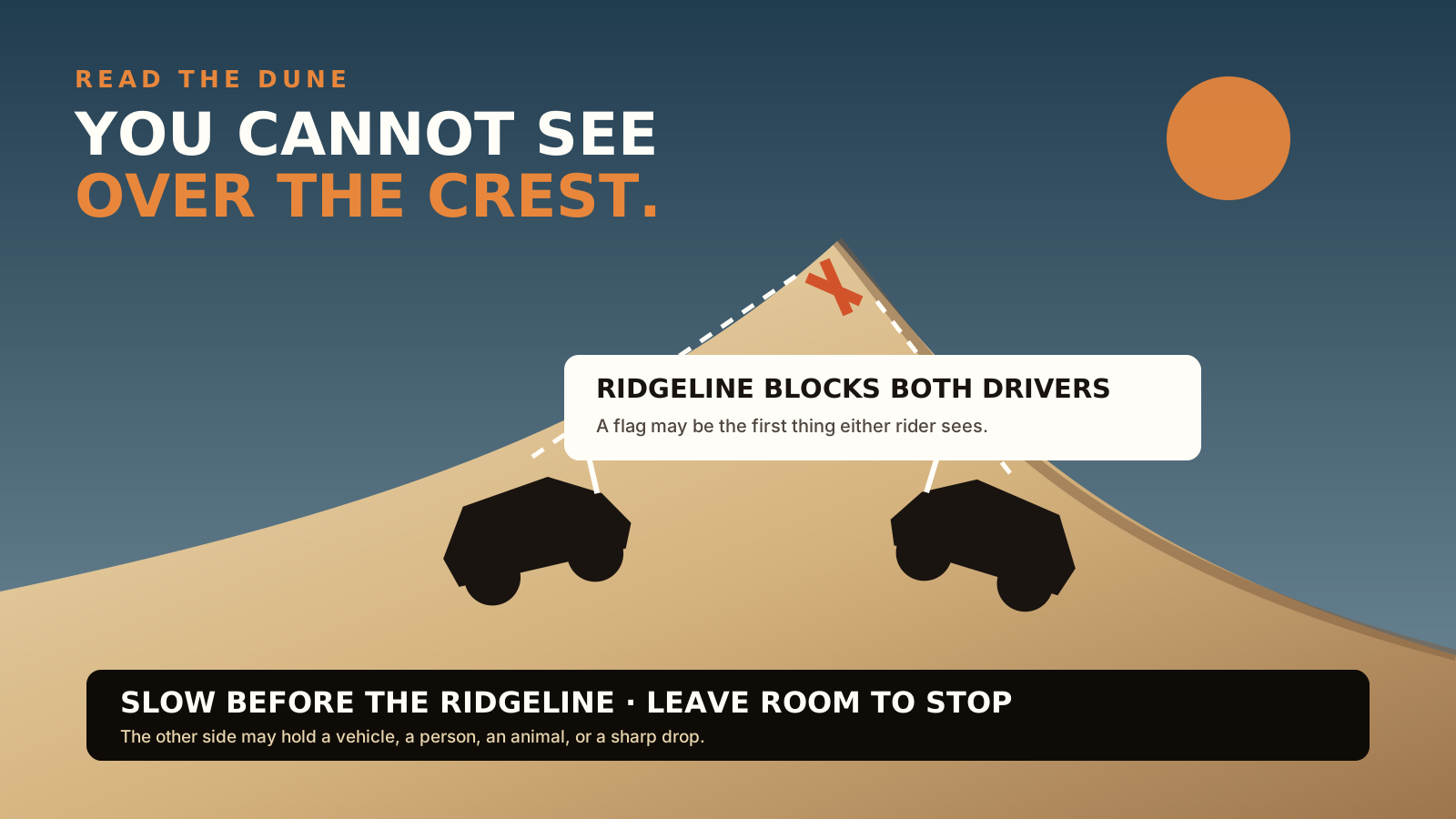
You cannot see over a crest
Approaching a dune from one side, you have no view of what is climbing the other. The flag above the ridgeline is the only warning either rider gets, and it arrives a second or two before the machine does.
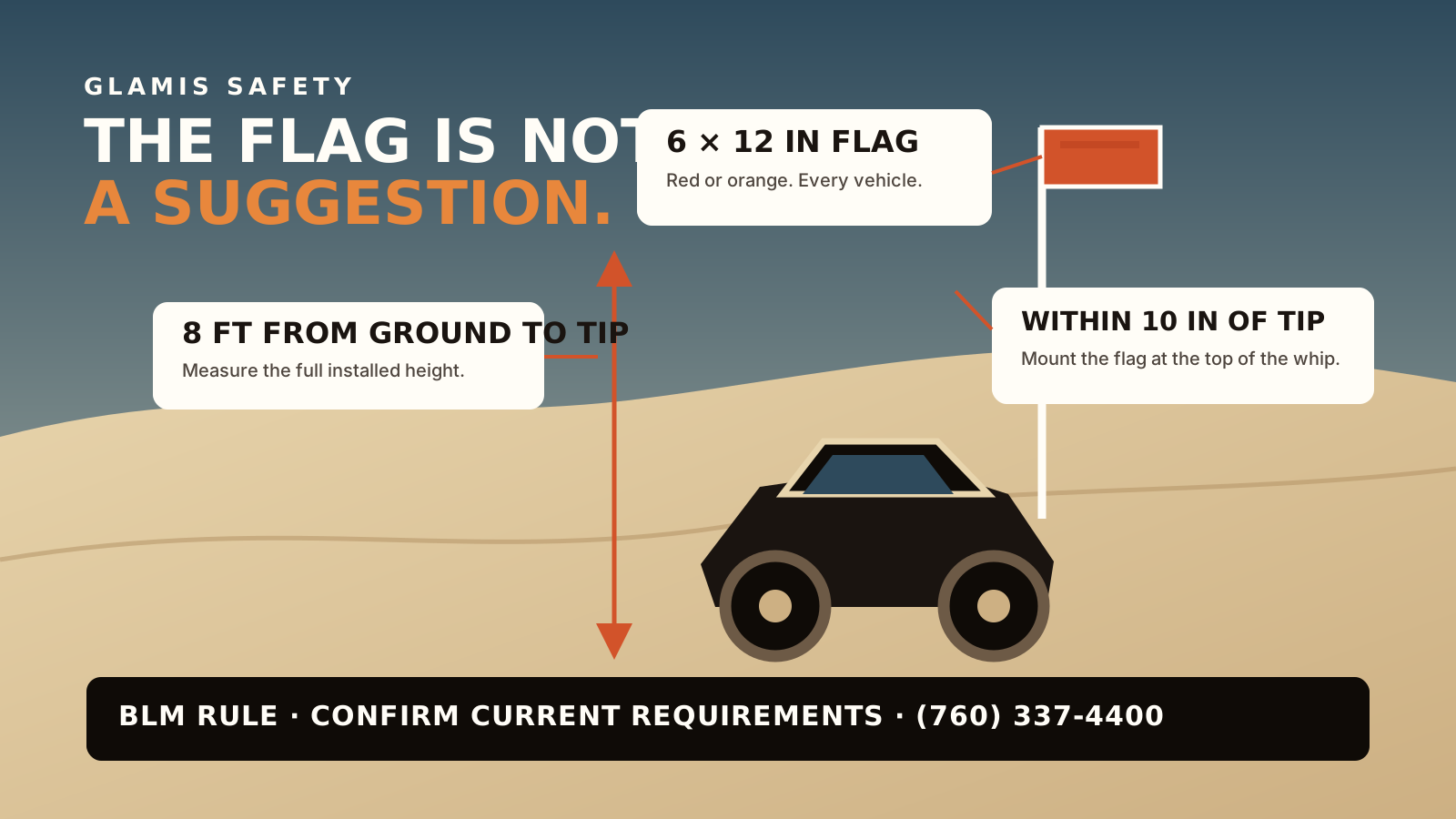
8 feet, 6 by 12 inches
A red or orange flag, 6 by 12 inches, on a whip reaching 8 feet from the ground, mounted within 10 inches of the tip. A short whip technically has a flag and practically has nothing. Full rules →
Slow near camp
15 mph applies on the sand highways within 500 feet of the named roads, and under 15 mph within 50 feet of camps, people or animals. Most incidents involving bystanders happen in camp, not on the big terrain.
Not while riding
No alcohol while riding on BLM land. This is enforced, and it is also the factor most often present when a dune weekend goes badly wrong.
Before you ride out
Distance is the
thing people misjudge.
The dune system runs roughly 40 miles. It is entirely possible to ride a long way from camp, break something, and be somewhere with no shade, no water and no easy way to describe where you are. Cell coverage is not something to rely on.
Ride with someone. Tell people at camp roughly where you are going and when you expect to be back. Carry water on the machine. Know which access road you came in on, because that is the first question anyone coming to find you will ask.
Before you leave the house
Set up satellite SOS
while you still have signal.
Coverage out on the sand is unreliable and nothing about your trip should depend on it. An iPhone 14 or later can text emergency services over satellite with no cell signal at all, which across forty miles of open dune is the difference between being found and waiting. It is not something to work out for the first time during an emergency.
Apple provides a demo mode that does not contact real emergency services, so the whole thing can be practised at home in a few minutes. Apple's instructions →
- Update iOS, then set up Medical ID and emergency contacts in the Health app.
- Practise outdoors under open sky: Control Centre, then Cellular, then Satellite, then Try Demo.
- In a real emergency try 911 first, and use satellite only if the call will not connect.
- Stay outside with a clear view of the sky and follow the direction arrows on screen.
- Know which access road you came in on, because it is the first thing you will be asked.
Messages via satellite, the feature for texting friends, is a separate thing and is not a way to reach rescuers. Some newer Android phones have their own satellite emergency feature, so check your model's own support pages rather than assuming it behaves the same way.
What is on this page
Rules from BLM,
weather from a live feed.
The flag, helmet, speed and alcohol rules on this page are published by the Bureau of Land Management. The temperature at the top is a live forecast for the dunes from Open-Meteo, refreshed through the day rather than typed in once.
The judgement calls, about water, distance and riding in company, are general desert practice rather than official guidance. The satellite SOS steps come from Apple's own documentation, linked above. For anything official, the El Centro Field Office is on (760) 337-4400. In an emergency, call 911.